The Modules
This programme is aimed at gardeners who want to learn the best practice for a wide range of essential gardening skills. It also provides a solid foundation for people considering a horticultural career. The maximum class size is eight people which ensures that there is plenty of individual attention and time for questions.
Each module combines current horticultural theory with plenty of hands-on practice and can be taken individually or combined with any/all of the other modules in the Practical Gardening Programme. All the information-packed sessions are held in a tranquil three-acre garden that the lead tutor has been developing with the owners for the past ten years.
Please note that the session will go ahead whatever the weather so come prepared with waterproof clothing and warm layers. Gardening gloves and, ideally, steel toe-cap boots are also required for health and safety reasons. We recommend that you bring your own secateurs, hand fork and trowel but all other tools will be available to borrow. Tea and coffee-making facilities are available on-site but please bring a packed lunch with you.
Individual modules £55 each
Module 1: Creating Healthy Soil
Module Details:
A thriving garden starts with healthy soil – it really is the fundamental building block that underpins all other gardening activities. In this module we’ll show you how to identify and work successfully with different soil types to create the growing conditions that plants will love. We’ll cover mulching, no-dig cultivation, traditional digging techniques, green manures and compost making, as well as home-made plant feeds and the role of mycorrhizal fungi.
Module 2: New Plants from seeds and cuttings
Module Details:
Growing your own plants gives you greater control, saves significant amounts of money and, science suggests, results in more resilient plants long term too. Very little equipment is required but there are techniques that increase your chances of success.
You’ll learn how to sow a wide variety of seeds, practising different methods that are appropriate for both outdoor and indoor situations. We’ll look at propagators that give greater control of the environment as well as other methods that offer protection for seedlings from pests and the weather in the early days. The session will also focus on vegetative propagation techniques, including cuttings and division . At the end of the session you will see propagation possibilities everywhere you look!
Module 3: Pruning & plant health
Module Details:
Pruning is a task that can seem shrouded in mystery but in this session you will learn the fundamental when, how and why guidelines that make it much more approachable.
We’ll start by looking at the principles of plant growth before moving on to the practical techniques and tools required to prune a range of garden plants. We will also look at the common pests and diseases that can influence pruning decisions. Most of the session will be spent outside, assessing various plants’ pruning needs before practising different cutting techniques. There will be plenty of personal guidance and feedback and we’ll also consider the important aspect of knowing when to stop too!
Module 4: Weeds & weed management
Module Details:
Attitudes towards weeds are starting to change but recognising and understanding what you’re dealing with is the first step. We’ll therefore start by identifying a range common weeds and learning about their lifecycles and the positive/negative roles they play in the ecosystem. You’ll then practise a variety of safe removal and prevention methods, learning where and when to apply them. We want you to leave with a better understanding of ‘the enemy’ and practical skills you can apply effectively in the gardens you work on.
Module 5: Using containers in the garden
Module Details:
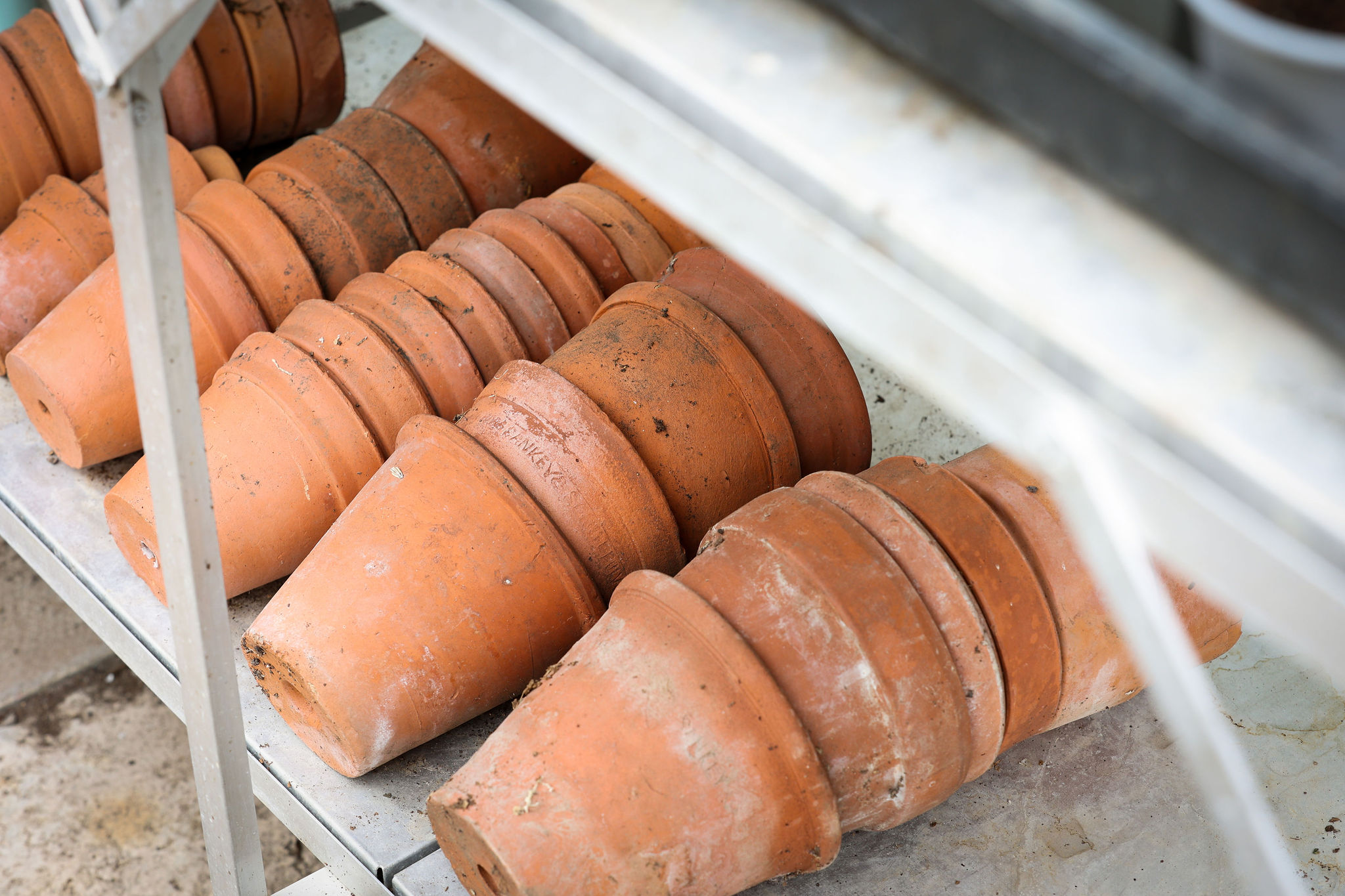
Growing plants successfully in containers requires some different skills from growing in the ground. Knowing which containers to select is the first challenge and then using the right potting mix is another, especially as gardeners learn to replace the traditional peat-based composts with something more environmentally-friendly. We’ll show you how to create your own effective mixes from the different ingredients available and consider the long-term feeding options too. We’ll also cover the common pests and diseases that may occur with container gardening and how to manage more mature plants as they outgrow their restricted environments.
The session will be full of hands-on practice and there will be opportunities for creativity too as we combine plants for seasonal displays.
Module 6: The gardening year
Module Details:
Knowing what to focus on in a garden can seem daunting but professional gardeners learn to ‘read’ a garden quickly and prioritise tasks so that seasonal tasks are carried out at the right time, making it look cared for and under control. In this session you will learn what to focus on for best results at different times of the year and consider what an annual maintenance plan might look like in any gardens you work on.
We will spend a large proportion of the session outside assessing the plants and their requirements in the course garden. Depending on the time of year we will also practise the most seasonally-appropriate tasks and see how some quite small activities can make a big difference to a garden’s general appearance. You should leave with a clearer idea of where to focus your horticultural effort week by week.
Full 6-module course
Book the whole course at a discount
Module 1: 21st April
Module 2: 28th April
Module 3: 5th May
Module 4: 12th May
Module 5: 19th May
Module 6: 26th May
Price: £300