
4th May 2026
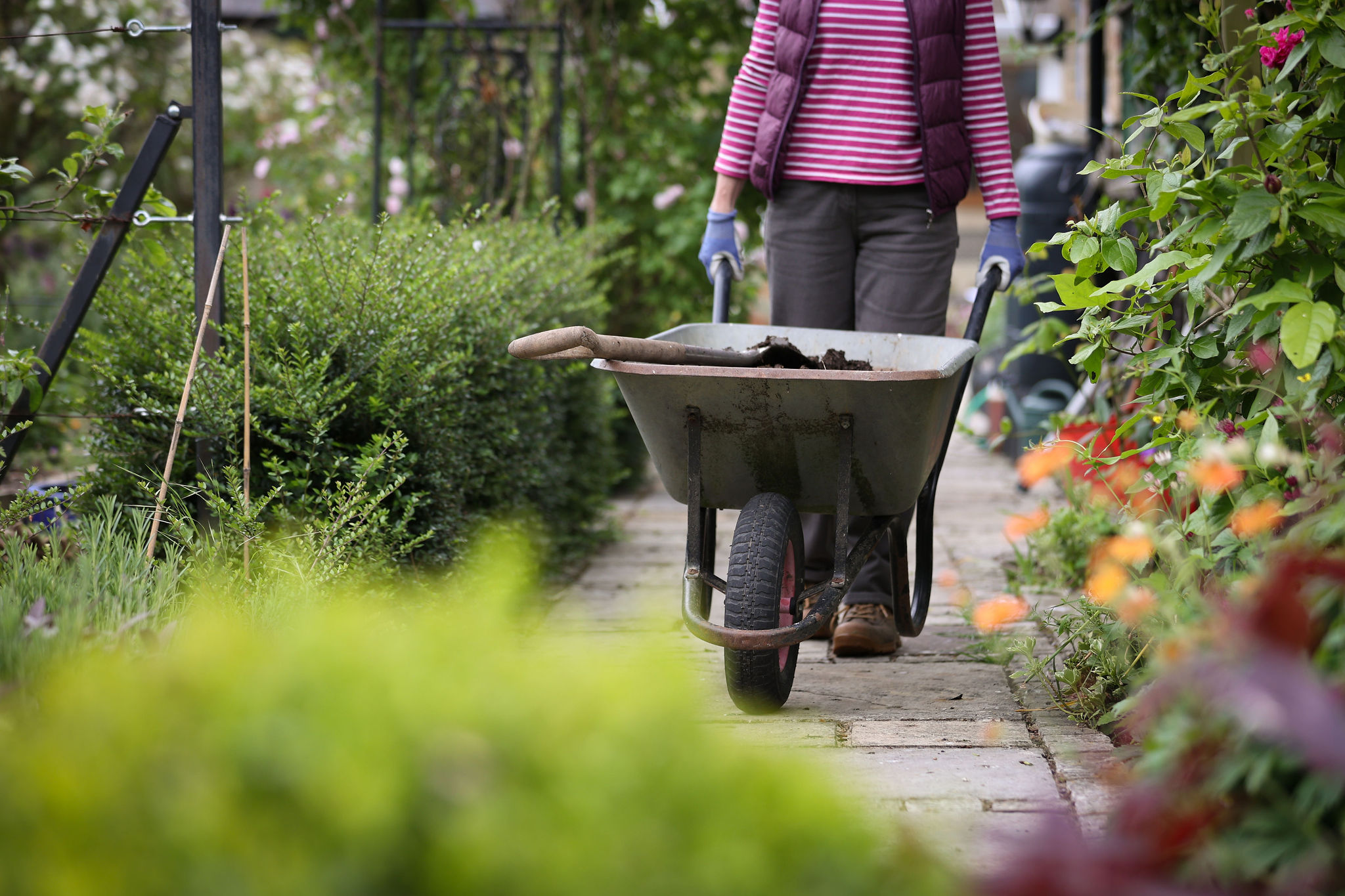
In 2013, I made the decision to follow my heart and retrain as a gardener. I’d been obsessed with gardens, plants and garden design for all my adult life, tending my own plots, taking courses and visiting beautiful public gardens in my leisure time, but I wanted to learn more and see if I could earn my living that way. I couldn’t bear to spend my days indoors any longer and needed to be outside, in the fresh air, dealing with something ‘real’. Thirteen years on I can look back and say it was one of the best decisions I ever made and, although there were inevitably challenges, I would do it all again in a heartbeat.
According to statistics, there were an estimated 165,000 people earning their living as professional gardeners in the UK in 2025, but I’d be surprised if that were the full picture. It’s such a wide-ranging group, after all. Some work as employees while others are self-employed or run their own small-businesses, and we can be found in both public and private gardens around the country. For some, work is in one fixed location, such as a National Trust property or private estate, but many others move between different sites, maintaining and developing a number of regular gardens over the seasons. A few specialise in niche skills and provide services such as rose pruning, meadow management or hedge cutting as and when required. There are head gardeners, assistant gardeners, sole gardeners and trainee gardeners, all working to create beautiful, biodiverse, soul-restoring spaces for their human and wildlife visitors.
Until recently, horticulture had a bit of an image problem. It was wrongly perceived as low-skilled work and not an aspirational career choice for school leavers. The general view was that gardening was something you did if no one else would have you. Why choose to work outside in all weathers when a warm indoor job was on offer instead? As older gardeners started to retire, staff shortages arose and horticultural businesses reported long-term vacancies which hindered their growth opportunities. Bear in mind that the ornamental sector of the horticultural industry generates around £24bn for the UK economy (2019 figures), with the potential to grow even further, and you can see why industry representatives were starting to get twitchy and lobby government to take the shortages seriously.
Thankfully, public perception has been shifting and appreciation for the role that gardeners play in society is starting to increase. Firstly, the Covid pandemic and growing urbanisation have focused attention generally on the value of well-kept, attractive shared green spaces, and public gardens have become popular leisure-time destinations for people of all ages. Centres of horticultural excellence such as Kew and RHS Wisley attract millions of visitors each year, and the Chelsea Flower Show dominates press and TV coverage for a week or more every May. All of these showcase the work that talented horticulturists can achieve.
There’s a growing realisation that plants play a role in mitigating many of the effects of climate change too. They can reduce urban temperatures, sequester carbon, deal with heavy rainfall and recreate habitat options for our beleaguered wildlife population. Creating and nurturing these spaces requires knowledge, skill and experience and gardeners play a key role in ensuring they thrive and remain attractive long into the future. Respect for gardeners is starting to build and confidence within the profession is growing, which in turn attracts new talent.
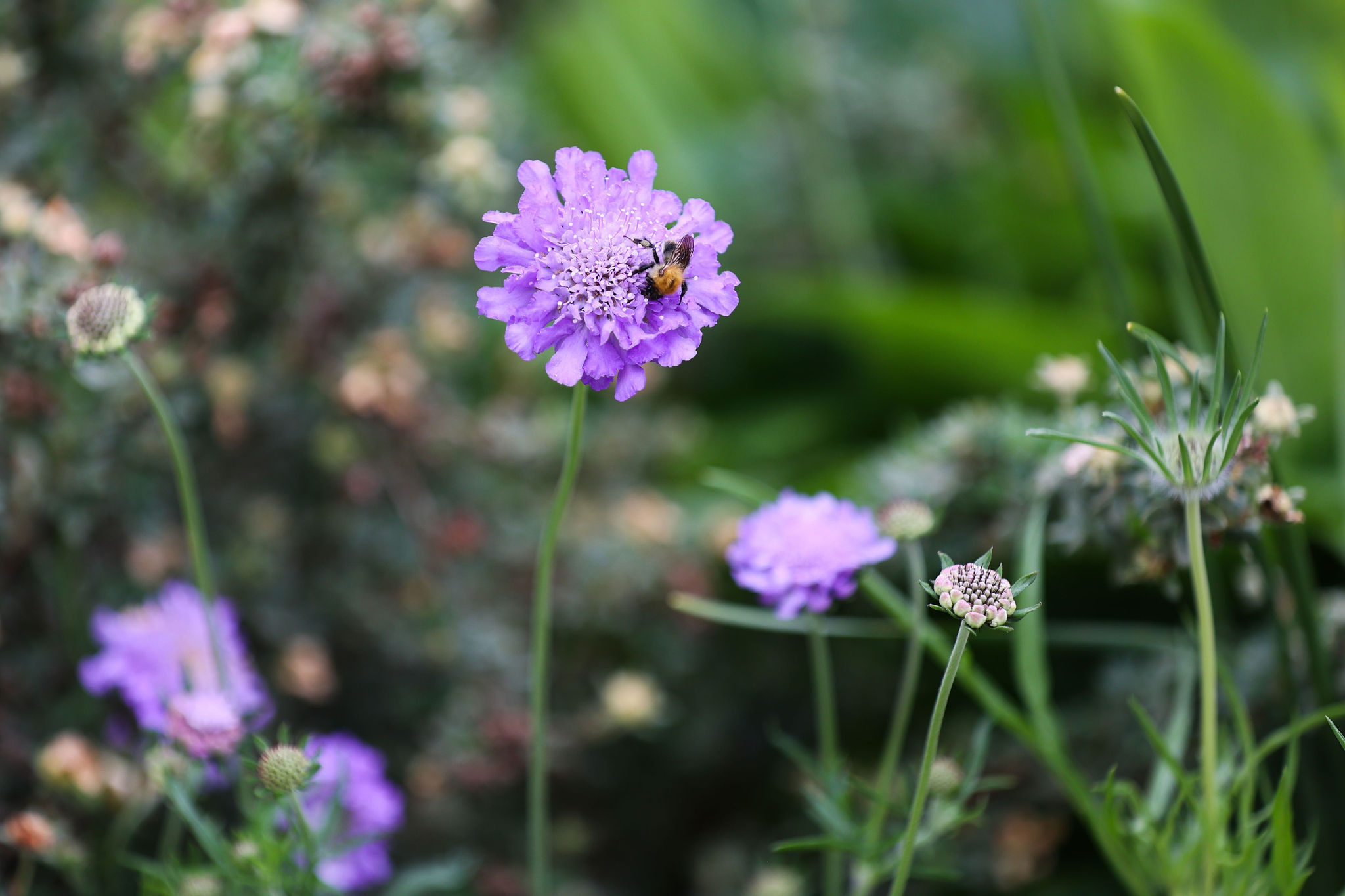
Some of this confidence has been driven by career-changers who, despite the questioning looks of friends, realised the value of horticultural work and went for it anyway. Tuning into the seasonal rhythms of the year, gradually becoming physically stronger and having a visible, positive impact on one’s surrounding are real rewards. Sleep is well-earned and there is a gardening task suited to every mood, from mindful weeding and pruning to the more energetic digging and mulching. Perhaps best of all is realising that there is still so much knowledge to be uncovered, no matter what stage you’re at, which keeps the subject fresh and engaging and, as fellow gardeners are almost always a warm and welcoming group, there are plenty of other people to learn from.
Taking the jump from one career to another can seem extremely daunting, but if you’re thinking this through, and are in the Cambridge area, then do consider our Business Skills for Self-Employed Gardeners course which will point you in the right direction. I’ll be sharing more of my own experiences of building a gardening business, as well as the findings from my research into the challenges career changers can face and how to deal with them effectively. We look at the legal requirements, finding work, pricing, tools to invest in and structuring your business for growth, amongst many other things. Check out our courses page for the next available date or do get in touch if you have specific questions about it.